






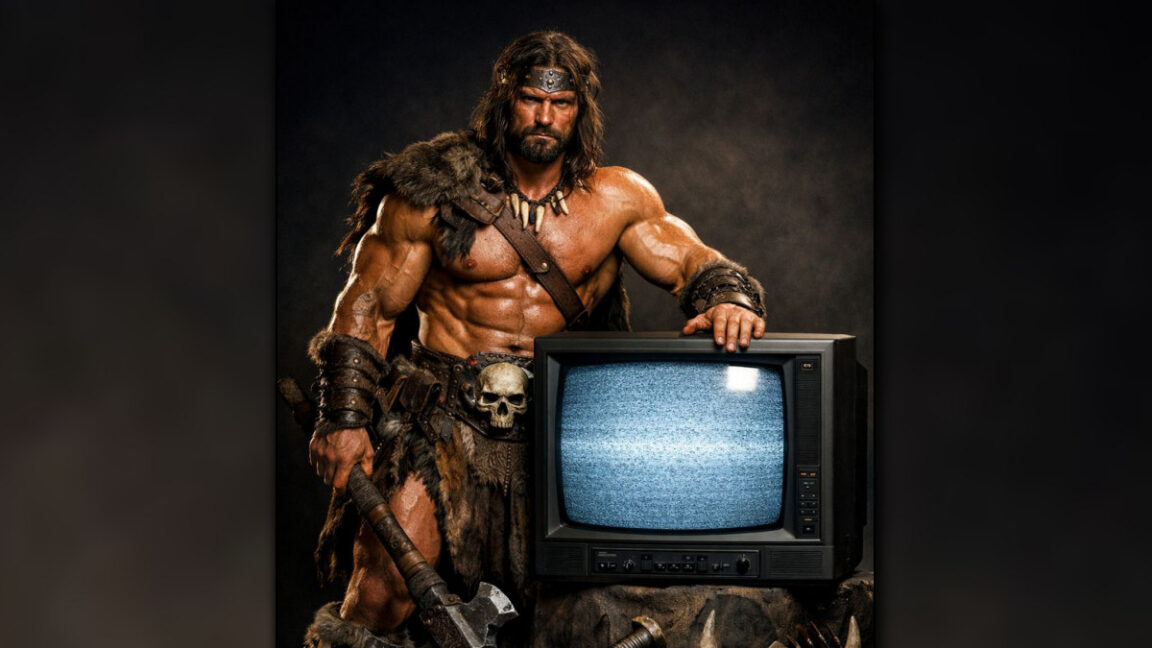
OpenAI has released GPT Image 1.5, a new image-synthesis model integrated directly into ChatGPT. The update promises faster generation—up to four times quicker than the previous version—and reduced API costs, a move aimed at making photorealistic image editing a casual task for everyday users. The rollout spans all ChatGPT users, signaling a broader shift toward conversational image manipulation.
GPT Image 1.5 is described as a native multimodal model, meaning image generation and textual processing occur within the same neural network. This contrasts with earlier OpenAI tools that relied on separate diffusion-based systems, and it enables edits to be guided by text prompts while the image data is processed in a unified space.
The model can adjust poses and camera angles, remove or add objects, alter styles, modify clothing, and refine specific areas while striving to preserve facial likeness across edits. A public demonstration teased a playful edit — adding the “Galactic Queen of the Universe” to a room photo featuring a sofa — illustrating how conversational prompts can yield intricate changes without traditional photo-editing skills.
With the expanded capabilities, concerns about misuse—such as deepfakes or manipulative edits—grow. OpenAI notes safeguards, but metadata can sometimes be stripped, and the boundary between legitimate editing and deceptive alteration remains a topic of debate. The company also highlighted that the new approach aligns with recent moves by Google and others toward more seamless image editing via AI.
OpenAI acknowledges limitations and says the previous GPT image tool remains available for users who prefer it. The rapid expansion of image-editing capabilities within ChatGPT underscores a broader industry trend: as AI-driven visuals become easier to produce, discussions around authenticity, accountability, and policy continue to evolve.