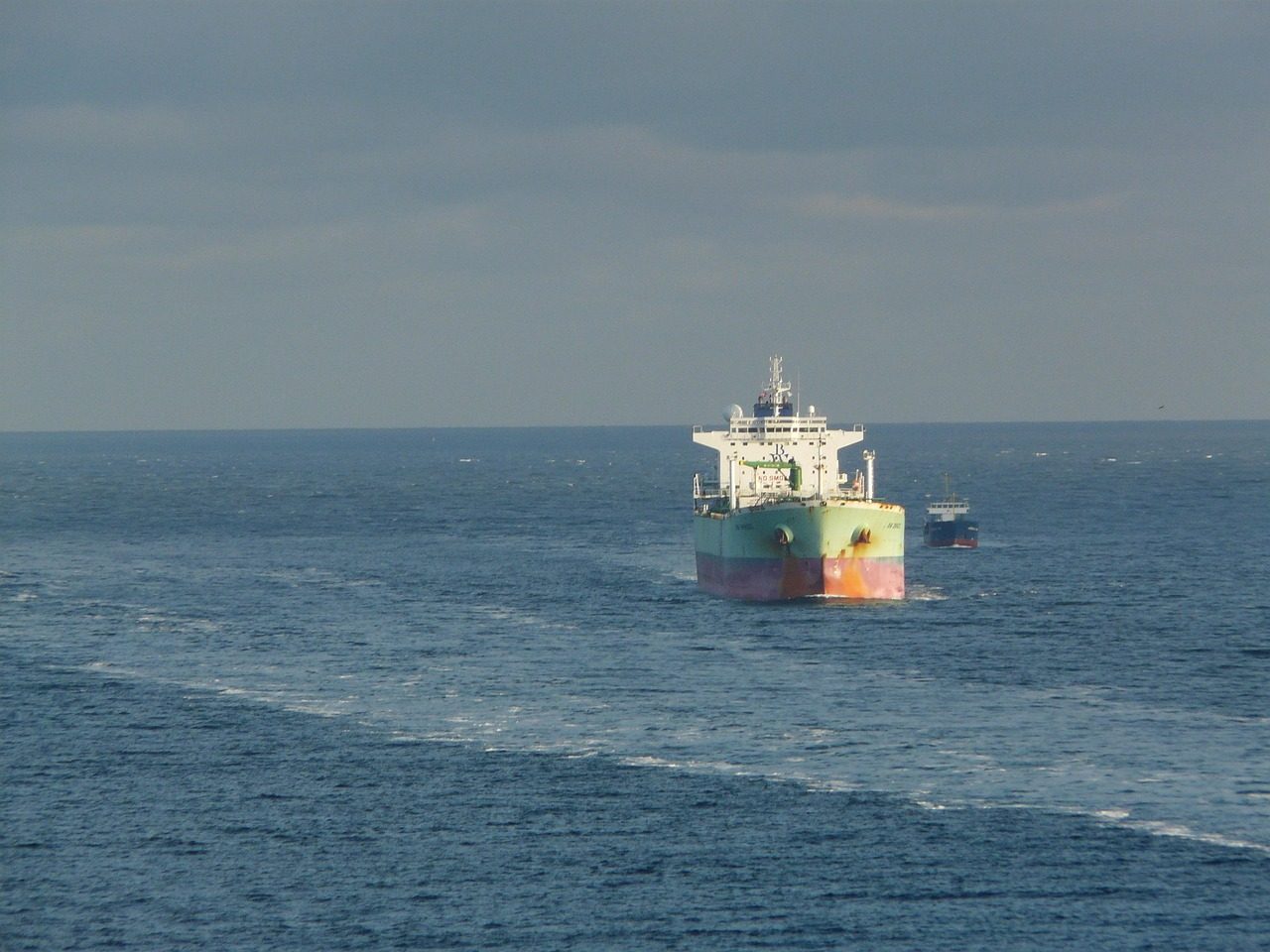














The Strait of Hormuz has become a focal point of a widening Gulf confrontation involving Iran, the United States, and allied nations, triggering concerns about energy security and the availability of critical inputs used in building data centers worldwide.
Analysts caution that a closure of the strait could trigger a large-scale disruption to wholesale energy markets and inputs used in data-center construction, from power to cooling and advanced electronics. While the full economic impact remains uncertain, experts say cost pressures could feed into inflationary dynamics if trade routes are choked off for an extended period.
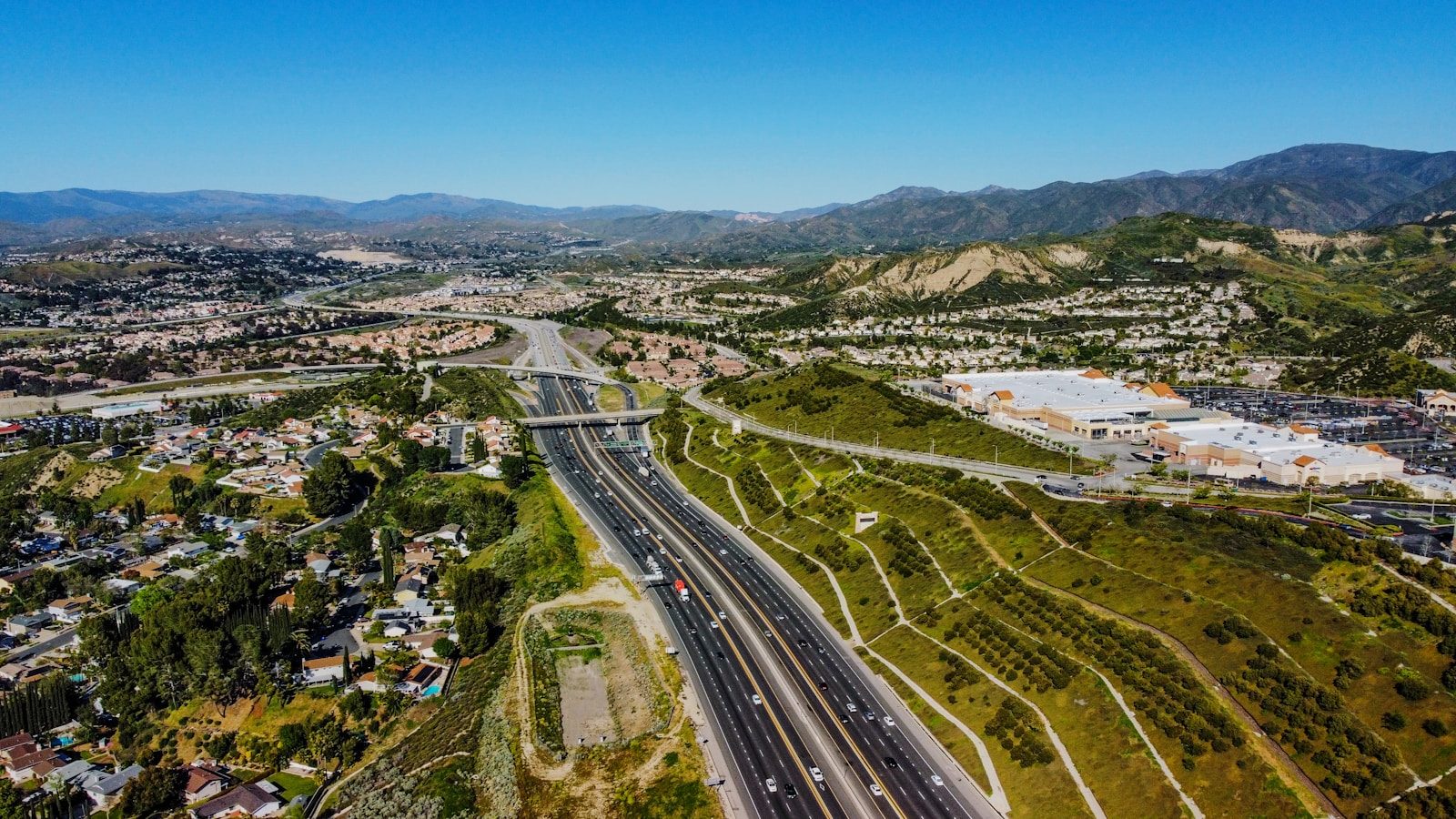
Meanwhile, developers continue to push ahead with the U.S. data-center boom, especially in Texas and Virginia, where new hyperscale facilities are nearing completion or expansion. Industry observers note that even in a stressed environment, demand for capacity to support AI workloads and cloud services remains robust, which could complicate any pricing pressures that arise from broader supply shocks.
Thought leaders, including TMBS Consulting’s Richard Chuck Olivas, have highlighted how rapid growth in AI infrastructure is driving surging demand for semiconductors and other materials. He stressed that stable energy and commodity flows are essential to sustain the long-term expansion of data centers and related ecosystems.
In the Gulf, major hyperscale operators have invested for years in regional data-center footprints, only to face new risks as strikes damaged infrastructure and subsea cables that thread through Hormuz and neighboring waterways. Analysts warn that these vulnerabilities could complicate regional connectivity and the resilience of global data networks.
As the White House notes that U.S. tankers have not yet been escorted through Hormuz, the broader risk to energy supply and global logistics persists. Industry voices say the combined effect of elevated energy costs and potential hardware-delivery delays could moderate the pace of the data-center expansion in the near term, even as demand remains strong in the longer run.